Dina Scippa guides K12’s women leaders to be authentic
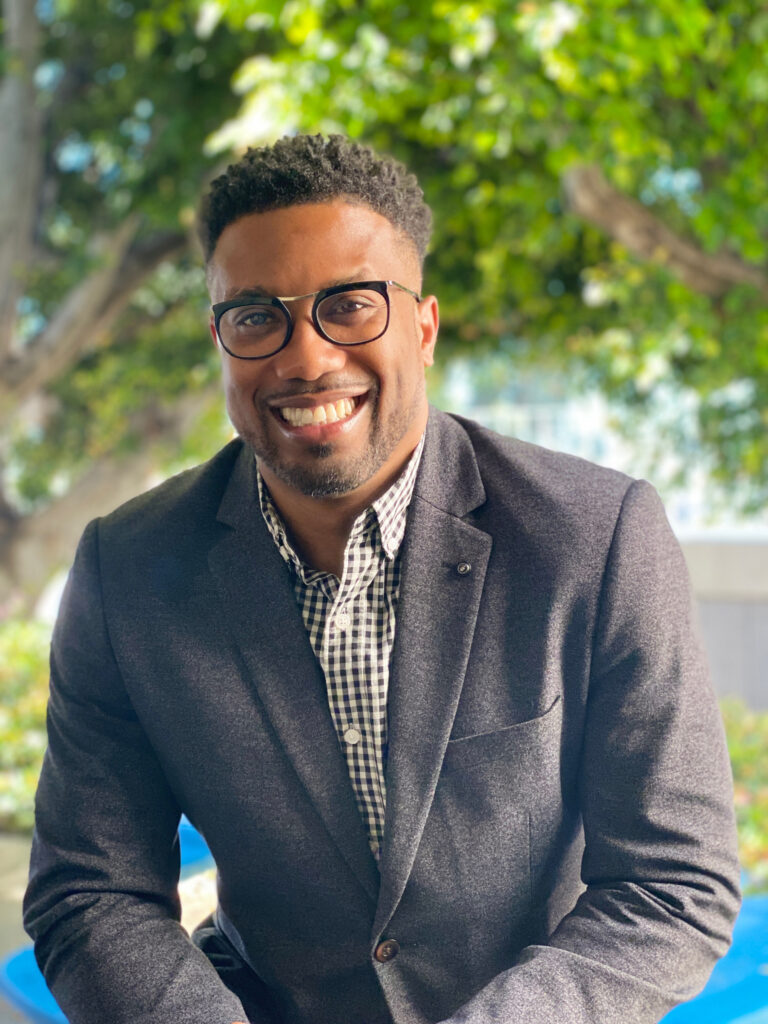
Women often hold themselves to impossible, even superhuman standards, says Scippa, a leadership coach. She wants them to lead unapologetically and, even, imperfectly.



Women often hold themselves to impossible, even superhuman standards, says Scippa, a leadership coach. She wants them to lead unapologetically and, even, imperfectly.
Superintendent Antonio Shelton learned on the job at the Santa Monica-Malibu Unified School District that preparedness begins with building relationships before the crisis occurs.
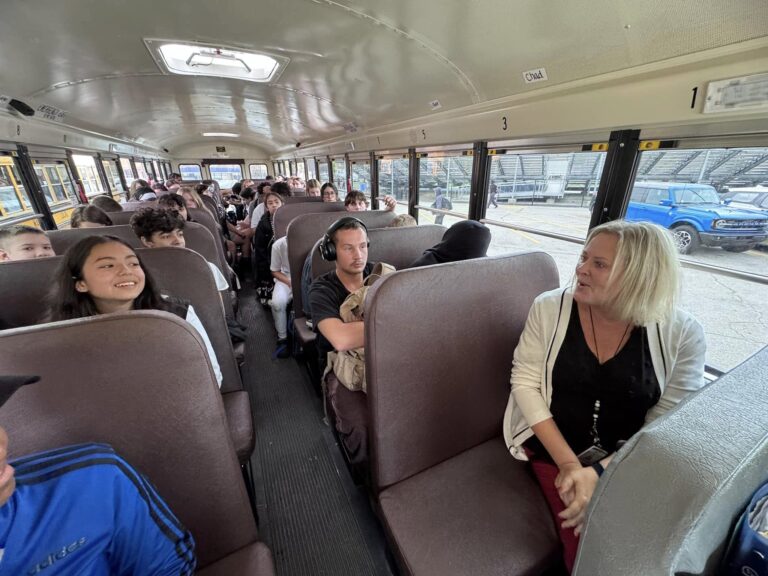
“Leadership Lens” is a monthly column featuring the insights of K12 leaders who are navigating common opportunities and challenges. In this installment, enthusiasm is surging as teachers and students head back to class.

For those of us who sit in the superintendent’s chair, the year is not a straight line. It is a series of cycles, each with its own tempo, tone and tension.

Superintendent Rony Ortega describes central office’s role in empowering principals and teachers this way: “We’re no longer the compliance machine.”

In governance, as in leadership, movement without balance does not create progress; it creates circles.
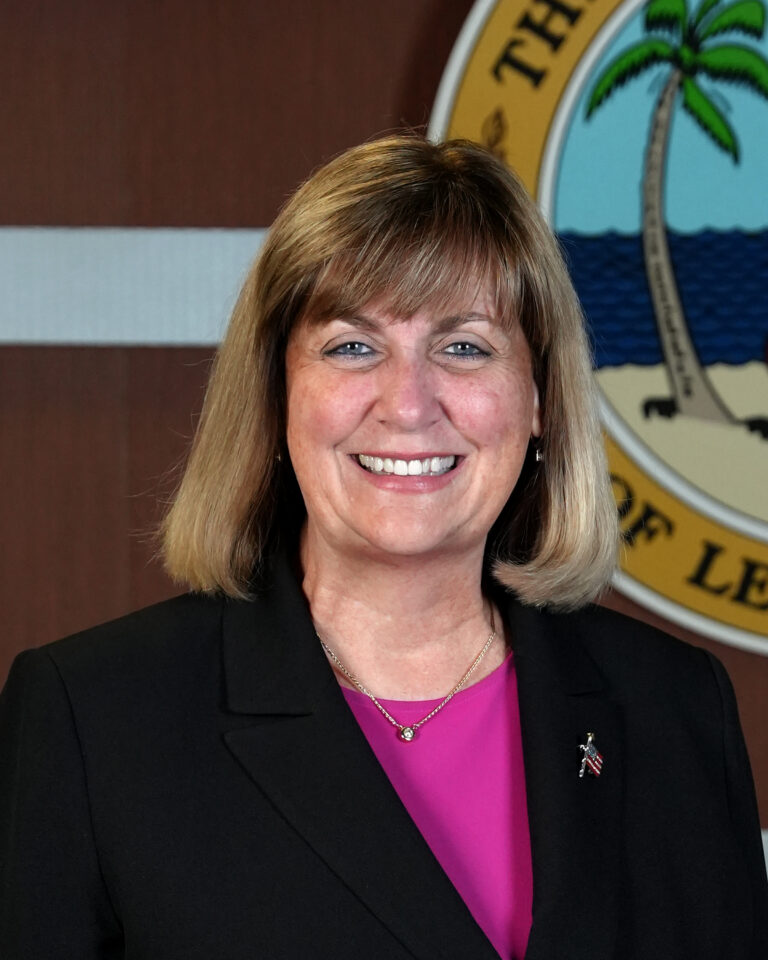
The School District of Lee County is now offering educators significant financial incentives to work in high-risk schools, teach hard-to-staff subjects and teach courses that have the greatest impact on student achievement.

All leaders must devote some time to transactional realities. But to become transformational, your greatest success must come from connecting with and empowering people.

Districts don’t fail for lack of ideas, they fail at the junctions: between central office and schools, strategy and execution, ambition and alignment.

When someone lands their first district leadership role, I like to offer a lighthearted welcome: “Congratulations! You now get to work half-days… you can choose the first 12 hours or the second.”
End of content
End of content