Why psychological safety is a contact sport in K12 leadership
Psychological safety does not replace competence, strategy or accountability. It enhances them and allows leaders to show up fully.




Psychological safety does not replace competence, strategy or accountability. It enhances them and allows leaders to show up fully.
To truly lead effectively, one must first understand their own tendencies, strengths and blind spots.

How do we make school feel more like the joy of building sandcastles and less like the drudgery of completing worksheets?
Sometimes, the most responsible thing a leader can do is ask someone on the shore what they see.

In complex systems like public education, implementation is not a checklist. It is an organizational capability.

Leaders create waves of meaning; not only through formal speeches or written communication, but through what they emphasize, repeat, tolerate and reward.

When leaders understand the boundaries of each compartment, they are better able to empower others to own their space without constant interference.
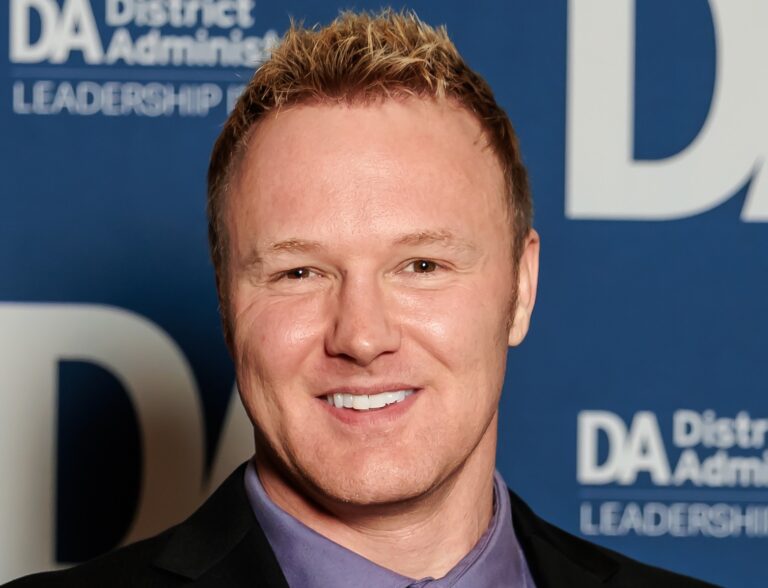
Dr. Jeff Horton was recognized as District Administration’s 2026’s Superintendent of the Year and Dr. Carmen Balgobin has been named District Administration’s 2026 Woman of the Year.

A superintendent’s leadership—steady, visible, communicative and inclusive—is the throughline that sustains a district through its most challenging moments and positions it for renewed stability.

You cannot have multiple firsts. You cannot have several things that are the main thing.
End of content
End of content