Why I remain hopeful about the future of public education. You should too
Public schools are among the most resilient institutions that we have and their significance should be highlighted, not doubted.


Public schools are among the most resilient institutions that we have and their significance should be highlighted, not doubted.

Schools are now expected to document how they provide regular, clear communication and ensure parents’ voices are reflected in decision-making processes, particularly in the use of federal funds.
Superintendents today are increasingly expected to serve as civic leaders, balancing the needs of their school communities with the broader socio-political landscape.
As the new year begins, we find ourselves with two questions that have come up during debrief sessions in multiple districts.
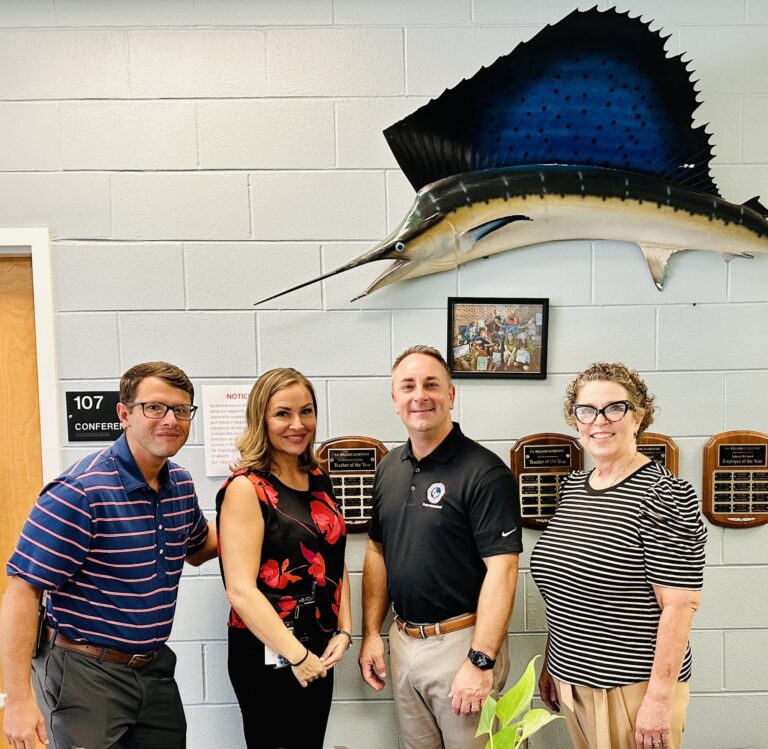
Martin County School District Superintendent Michael Maine is in his second year as the top educator in the district. This year, he wants his staff to know that anything short of excellence is not good enough for kids.
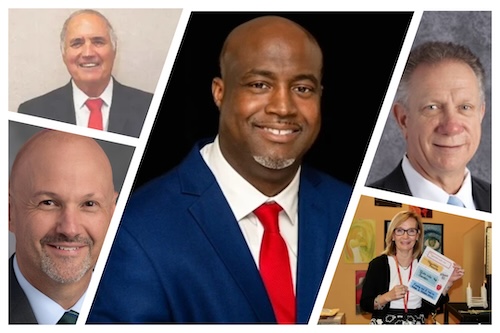
There are several leadership vacancies out there but the latest round of superintendents on the move shows more retirements than new hires. Harrisburg School District is among the districts that picked a new leader in recent weeks. Benjamin Henry, now the regional assistant superintendent of Polk County Schools in Florida, takes the helm of the…
Temperatures are getting cooler in most of the country, while political races are heating up. The higher up you go in the school district hierarchy, the more political your role becomes. Superintendents, in particular, and even cabinet members, will find themselves being asked questions about current political decisions. You’ll want to have thoughtful and consistent…
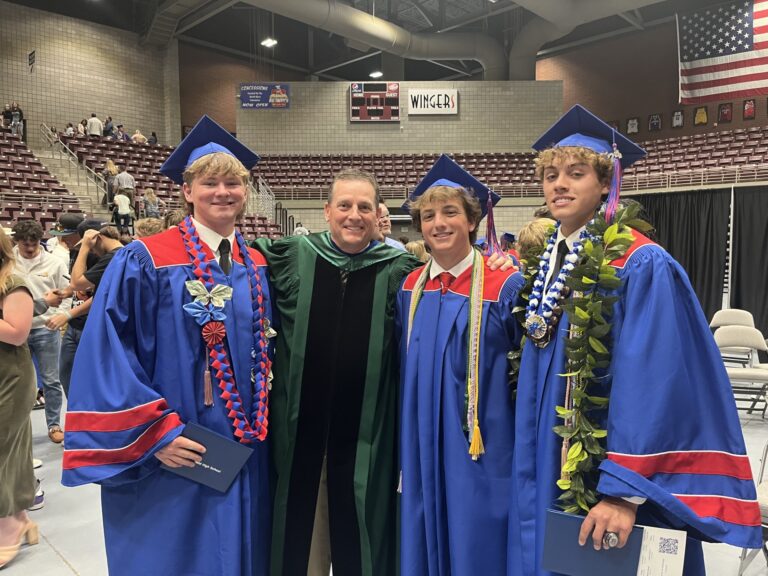
The Sevier School District hasn’t hired a principal outside of its system in more than 30 years. Superintendent Cade Douglas shares his model for investing in his administrators.
Leaders should leverage the complicated-complex spectrum to enhance decision-making and ensure that those most impacted have a voice in the process.
When people experience autonomy and see some positive results, they become more engaged and productive. That is the promise of coaching.
End of content
End of content