
2 leaders you should’ve already followed on social media
Educators can harness social media to contribute to their craft, not just to provide community updates. Here’s some social media 101 from two leaders whose networks look to them for advice and insight.
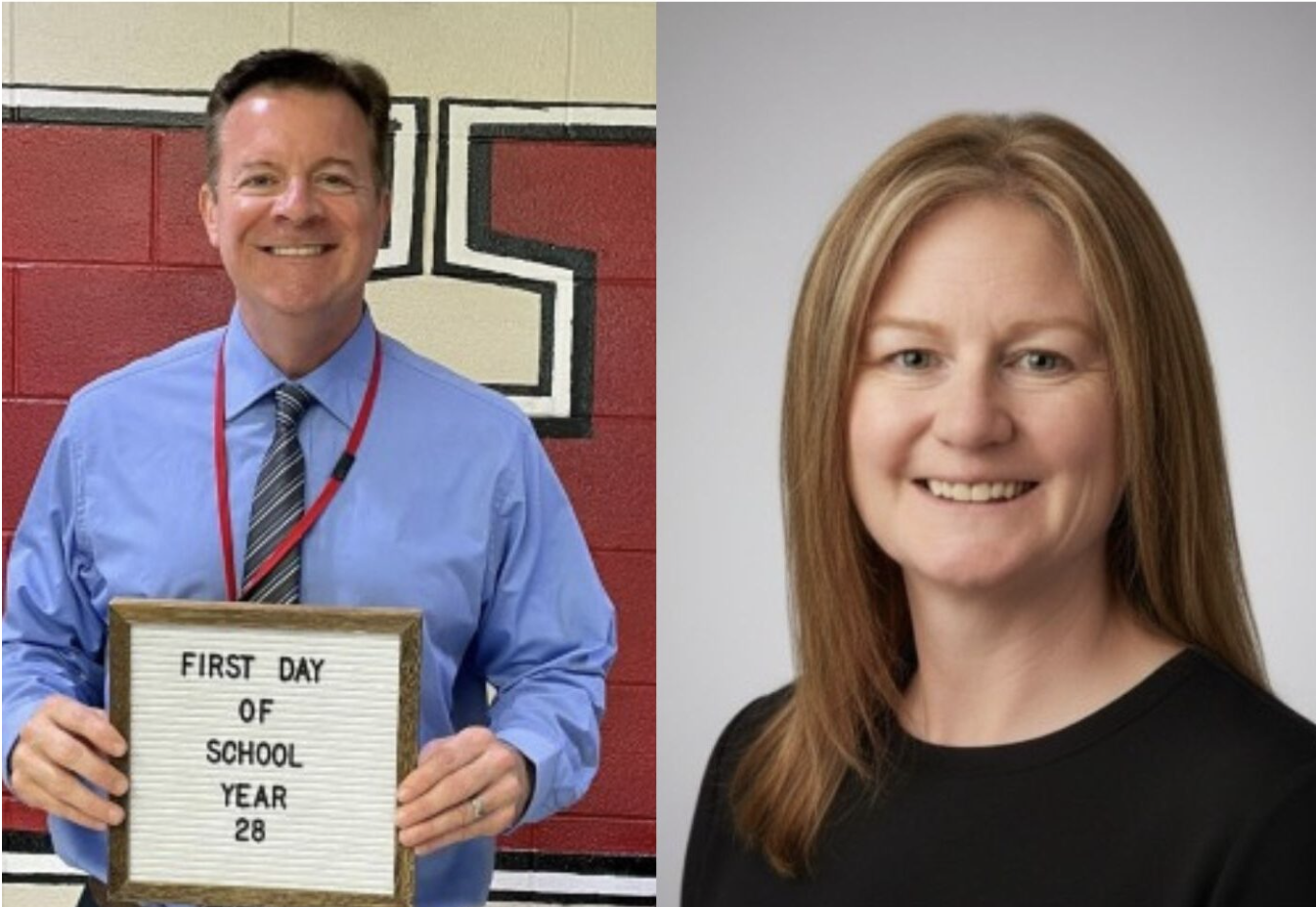
The age of AI is an exciting time for K12 education, says Jamie Haug, director of technology for New York’s Pearl River School District. Edtech advances more rapidly than other areas in education, and social media can drive discussions about which tools produce results.
“I like to use the [social media] platforms to show people that when done purposefully, you can make a great impact on student success,” Haug says. “I may not always have the popular opinion, but I’m always thoughtful about seeking out thoughts from a variety of stakeholders.”
She recently took to LinkedIn to compare multi-tiered systems of support to sports. It’s a fresh idea she finds resonates with district leadership.
“If I’m a pitcher with a 95-mph fastball who can’t find the strike zone, the answer isn’t to just keep throwing it fast and hope for the best,” she wrote. “Likewise, hitting a golf ball 300 yards doesn’t matter if you never land on the green.
“In both cases, the athlete doesn’t need to learn the sport over again; they need a specific, technical adjustment to their mechanics.”
Educators can tailor tier 2 instruction to individual students. This is the work that “happens in the bullpen” to fix the problem—rather than just acknowledging it.
“It is important in this position for people to see technology as a resource that helps develop future-ready, well-rounded students,” she says. “We are excited about the work we are doing in Pearl River, not just from the technology standpoint, but with educating the whole child. I like to highlight those things in a way that doesn’t just show fun tech, but purposeful curriculum integration.”
A superintendent’s guide to social media
For superintendents, social media has become less about providing updates and more about contributing to the profession, says Henry County Schools Superintendent Dr. Jim Masters.
“I try to use it as a space to document what we’re learning in real time—what’s working, what isn’t, and how our systems are evolving based on staff and student voice,” he says. “That shift from ‘reporting’ to ‘reflecting’ has led to the most meaningful connections with other superintendents and leaders.
Naturally, his network has grown tremendously. Masters, who will retire in June, is using his last few months as superintendent to reflect on lessons learned throughout his career on LinkedIn.
Some of his latest posts feature discussions about AI, curriculum and school culture.
“When the work is authentic and grounded in practice, it tends to attract the right people and leads to deeper professional dialogue,” Masters says. “It has made the role far less isolated and has accelerated our growth as a district because we’re constantly seeing and sharing real examples of what’s possible.”