
How to operationalize empathy in a rural district

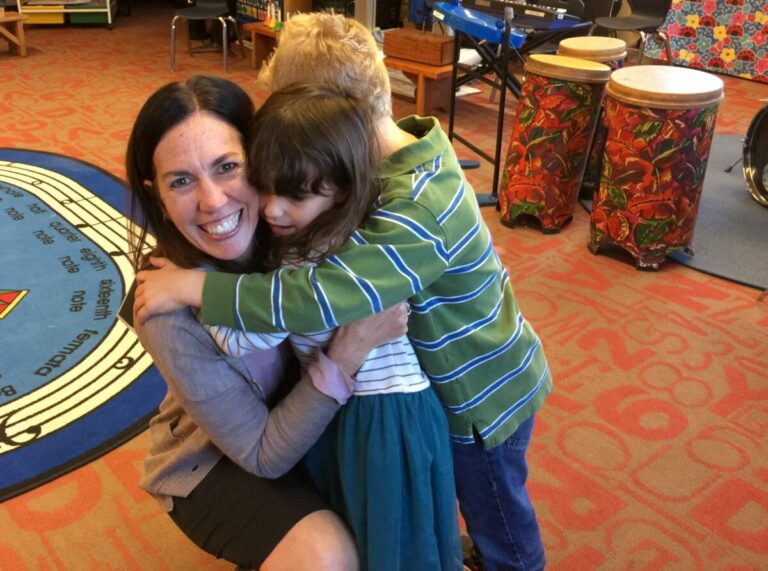
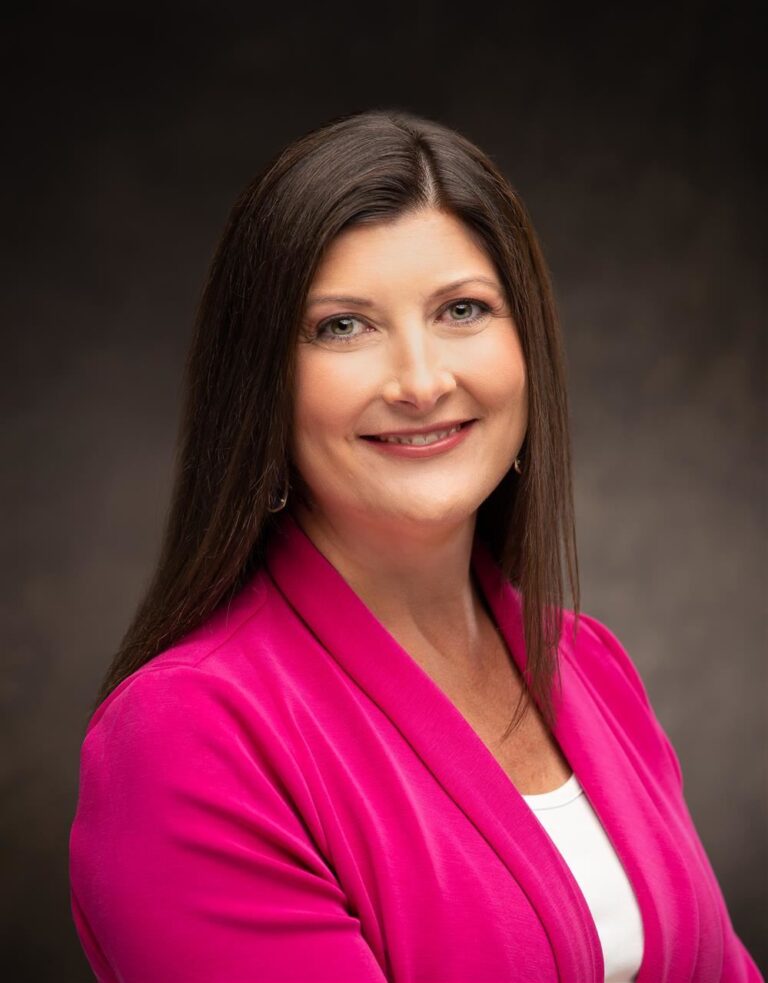
Superintendent Karen Haberberger says her greatest achievement is operationalizing empathy in the Johnsonburg Area School District in rural northwestern Pennsylvania. She strives to model a leadership approach rooted in her background as a special education teacher.

“We lead with empathy and caring,” says Haberberger, who is in her fifth year as superintendent and now lives in the same town in which she grew up. “We might be a small district, but we lead with the mighty belief that we take care of our own before we can even expect them to excel academically. Socioeconomic status never dictates somebody’s belonging.”
In partnership with a local nonprofit, the district operates a resource shop to help families obtain essentials such as winter clothing, toiletries and formal wear. At the high school level, the shop is run by students who develop leadership skills and agency.
She considers Johnsonburg’s small size a benefit as she and her team get to develop relationships with all of the students and their families. The district can also offer small class sizes but funding is a constant challenge.
Johnsonburg serves just 511 students and fields athletic teams through a co-op with a nearby district. “We have not talked about consolidation yet, but in the next decade or so, it might have to be a possibility, just because of the declining enrollment in general in the rural areas and in the rural systems,” she explains.
Karen Haberberger’s ‘movers and shakers’
While there’s more to academic achievement than test scores, Haberberger is proud of her students’ consistently strong performance. Johnsonburg’s success has attracted teams from surrounding districts who have visited to observe the reading curriculum.
That success is just the tip of the iceberg in the small school system where educators are focused on the whole child. The district is sending students to state chorus, wrestling and swimming competitions, and one-fifth of its high school students participate in the drama programs.
“It speaks to a culture where every student feels that they have a place to belong,” Haberberger adds.
A key to student success is teacher retention, which can be a challenge for small, rural districts. While Johnsonburg has been able to hang onto staff members—many of whom are from the region—Haberberger admits pressure to find teachers is growing, particularly in fields such as biology and music.
Teachers stay because of small class sizes and the breadth of programs the district offers. She also says robust professional development creates a fertile environment for student success and teacher retention.
“My administrative team, they’re movers and shakers, and they like to learn new things, so professional development-wise, we’re always bringing people in to talk about the new things on the horizon,” she says.
Taking the lead on AI
Artificial intelligence is, obviously, the biggest new thing impacting Johnsonburg and every other district. Haberberger says she and her team are “embracing it” with a pilot phase.
“My goal is to ensure that the students are not just consumers of the technology, but that they know the ethics behind it and have mastery of it,” she points out.
Teachers in PD sessions have been experimenting with different AI platforms to determine which best suits instruction.
Johnsonburg’s regional service district, Seneca Highlands IU9, is partnering with the University of Pennsylvania on a $1 million Google grant that drives the PASS program, which stands for “pioneering AI in school systems.”
“A lot of people are afraid that it’s going to take jobs away,” she explains. “But I feel like it will create jobs and it will create opportunity. We need to empower our teachers to lead it.”
Managing the internal noise
Haberberger has developed her leadership philosophy over 33 years in public education, and believes in Brené Brown’s concept of “brave leadership.”
“I feel like you can either lead with love or you can lead with fear, and I choose to lead with love,” she says. “That means practicing authentic leadership and being present, compassionate, and empathetic towards the people who entrust me to lead them.”
Haberberger became a certified yoga instructor a few years ago, and shares meditation and mindfulness practices withstaff and students. She has done sessions with the girls’ volleyball team and starts PD sessions with a short meditation.”I hope that by teaching my staff how to manage the internal noise, I’m helping build a resilient, focused and healthy workforce.”