
This small district is only as strong as its community
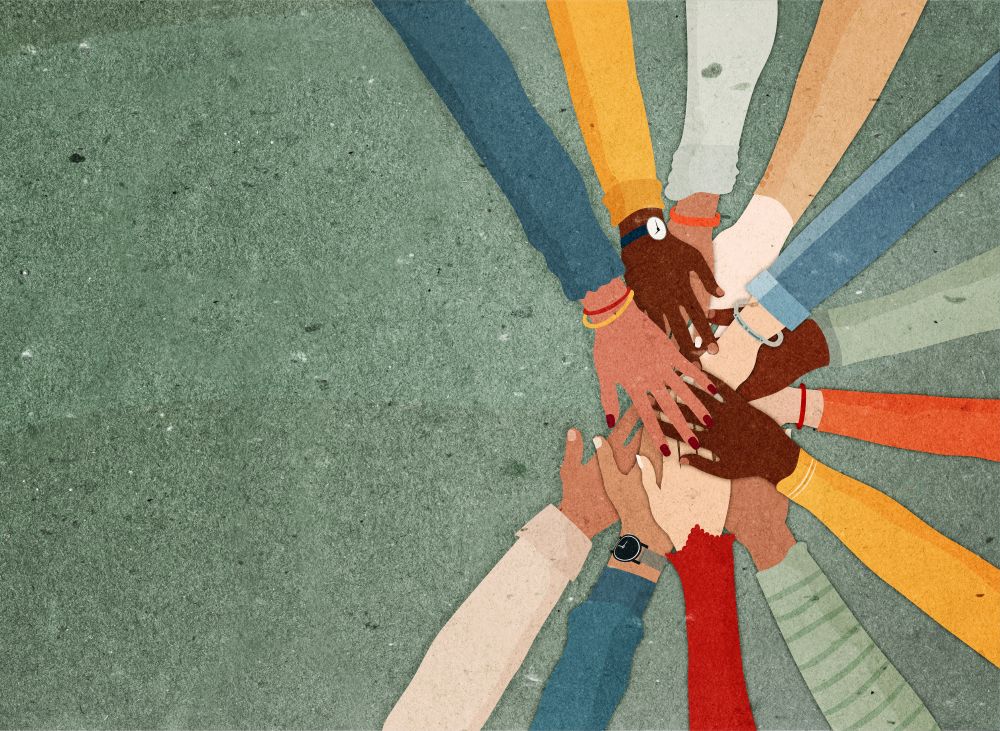
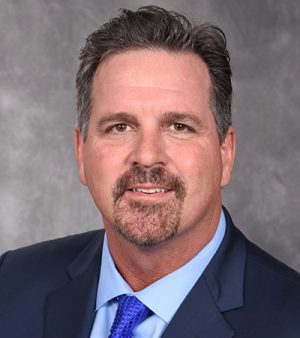
When you run a very small district, with just 700 students, resources can be an issue. On the other hand, the size—or lack of it—makes for very strong relationships, Superintendent Dustin E. Nail says of Harmony-Emge School District #175 in Belleville, Illinois.

That’s one reason the three-building, preK–8 system, which sits just across the Mississippi River from St. Louis, is transforming itself based on the community schools model. “Size-wise, we’d almost be considered a rural school, but we’re in a very urban-type environment,” says Nail, who just completed his second year at Harmony-Emge after having previously led a truly rural Illinois district for six years.
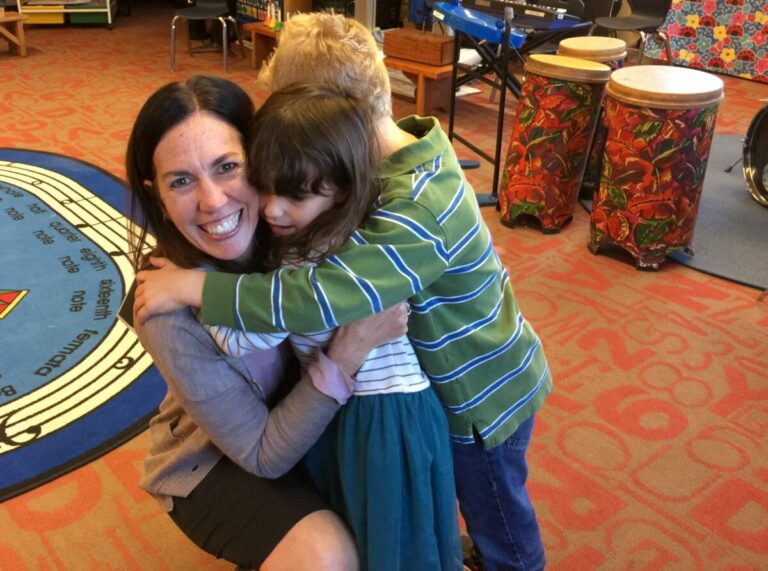
“We may not have the resources that other schools have but the advantage of being so small is a very tight-knit community and a family-type of atmosphere where our students are very connected.”
Nail and his team make up for the lack of resources by maintaining partnerships with community organizations that are now helping to drive the community schools concept. Harmony-Emge now offers free lunch and breakfast to all students along with free health check-ups for both students and the wider community.
District staff also works to connect community members with services like housing assistance, as well as food and clothing banks. “We’re meeting more than just the needs of the students who come through our door, but also the parents and grandparents, and anybody else out there who needs that,” Nail adds. “As a district, we’re only as strong as our community around us.”
Giving back is critical, considering Harmony-Emge, like many districts, relies heavily on backpack drives organized by local churches and other community support. “We feel like it needs to be a two-way street,” Nail notes. “That investment comes back 10-fold for the kids.”
Small district looks ahead to 2025-26
For the coming school year, Nail and his team are launching the “Community Coalition,” which will bring together community and religious leaders to collaborate and communicate to ensure services aren’t overlapping. As an offshoot, Nail intends to expand the district’s mentoring programs to help students envision the pathways they will take in high school.
He hopes one of those pathways will be careers in education, considering 70% of his students identify as minorities compared to just about 15% of his teachers. As for the wider mentoring programs, it will start with adults mentoring his junior high students, with those students in turn mentoring young intermediate students.
The intermediate students will work with the youngest elementary children. “We’re creating these small families with the mentors embedded in them,” Nail explains. “It’s another way to connect our students to school, because we find a lot of times that when those connections are broken, that’s when we start to see students and families pull away and not be fully vested in the education process.”
Time to embrace AI
One thing that’s certain about education is that it’s always changing. The upheavals of COVID are now being followed by another major disruptor: generative AI that is putting almost unlimited information at students’ fingertips.
“We have to move past the idea of just giving kids information and expecting that to be the end of it,” he contends. “We have to teach kids how to look at that information and find out what’s valid and what’s usable and sift through it to get to the information that they can use to make good decisions.”
AI will also have a growing impact on the workloads of adults in the schools. The technology allows teachers to plan lessons and grade some assignments much more quickly.
Harmony-Emge offers ongoing training and support to teachers and other staff on the most effective uses of AI. “There’s a workshop in our state called ‘Take Back Your Nights and Weekends’ that we try to promote our teachers to go to, because if you can use that and not spend four hours grading papers at night, why not?”