

Why school leadership after spring break looks different
There are a few lessons you learn early if you grow up on a farm. They are not always written down anywhere. They are learned through long days, quiet observation, and occasionally the hard way.
Two of those lessons have stayed with me throughout my life, including my work as a school leader. The first is simple: leave everything better than you found it.
On a farm, if you leave a gate broken, a tool out of place or equipment in worse condition than when you started, tomorrow becomes harder. The work compounds.
One small act of neglect turns into a larger problem. Left unchecked, that pattern creates a downward spiral.
But the opposite is also true. When you leave something better than you found it, the work compounds in a different direction.
The tools are ready. The field is prepared. The work of tomorrow becomes easier because of the care taken today. Schools work much the same way.
The second lesson is about soil. Farmers understand something deeply practical. The best seeds in the world cannot grow in poorly tended soil.
You can plant the most promising crop imaginable, but if the soil has not been prepared, nourished and cared for, those seeds will struggle. Healthy soil produces healthy growth. Poor soil produces frustration.
Final months are for harvesting
These lessons often come back to me when the school year reaches its final stretch. By the time we return from spring break, most of the planting will have already been done.
The culture has largely been set. The systems are in place. Students have formed relationships with their teachers. Classrooms have established rhythms. The year has taken shape.
In many ways, the final months of the school year are not about planting anything new. They are about harvest. This is where leadership changes posture.
Early in the year, leadership focuses on direction. We establish expectations. We launch initiatives. We set priorities. Those things matter deeply.
But as the year moves toward its close, the work of leadership becomes something slightly different. We begin to gather what the year has produced.
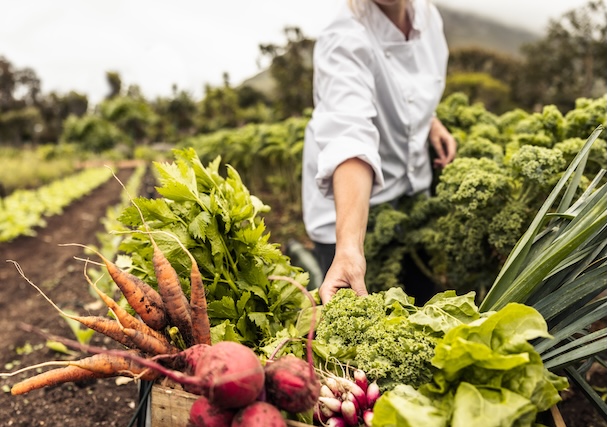
Farmers walk their fields during harvest season. They observe carefully. They notice where growth was strong and where it was uneven. They pay attention to the places that surprised them. School leaders should do the same.
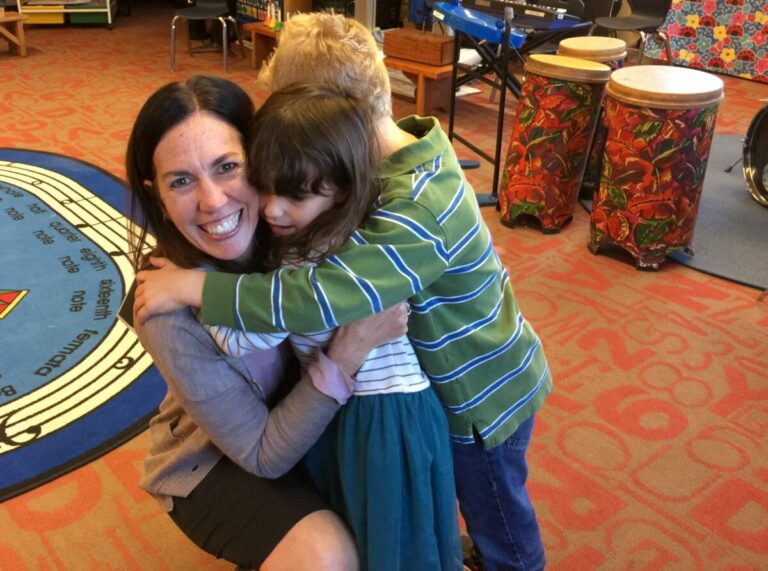
This is the season for walking the halls with curiosity rather than urgency. Sitting at a lunch table with students. Accepting the invitation to the e-sports competition, the choir concert, the art show, or the athletic event, or visiting classrooms simply to observe the life unfolding there.
You cannot harvest what you never walk past.
Celebrate after spring break
This is also the season for gathering stories. Every school year produces them.
A student who discovered confidence. A teacher who tried something new. A team that quietly supported one another through challenges. A moment of belonging that changed how someone experienced school.
These stories matter because they remind us why the work exists in the first place.
Harvest season is also gratitude season. Schools move quickly. The calendar pushes forward. The next initiative always waits just around the corner.
But the final months of the year offer a chance to pause long enough to celebrate what has been accomplished:
- The growth we see in students.
- The persistence of educators.
- The commitment of staff members whose work often goes unseen.
- The partnership of families who trust us with their children.
These are the fruits of a school year. And there is one final lesson from the farm that may matter most during this season.
Richer every season
At harvest time, you do not get to change the crop. You simply learn from it.
Farmers do not stand in the field wishing they had planted something different months earlier. They gather what grew, study it carefully, and use those lessons to prepare for the next season.
School leaders can do the same. We ask ourselves what truly grew this year. Which practices strengthened our schools? Which relationships deepened? Which efforts produced meaningful growth for students?
Those insights become the seeds we save for the future, because even as harvest ends, another season quietly approaches. The soil must be tended. The lessons must be gathered. And the work must continue in a way that leaves the field better than we found it.
If we do that well, year after year, the upward spiral begins to take hold. And the harvest becomes richer with every season.