
One superintendent shares ideas for how to talk to kids

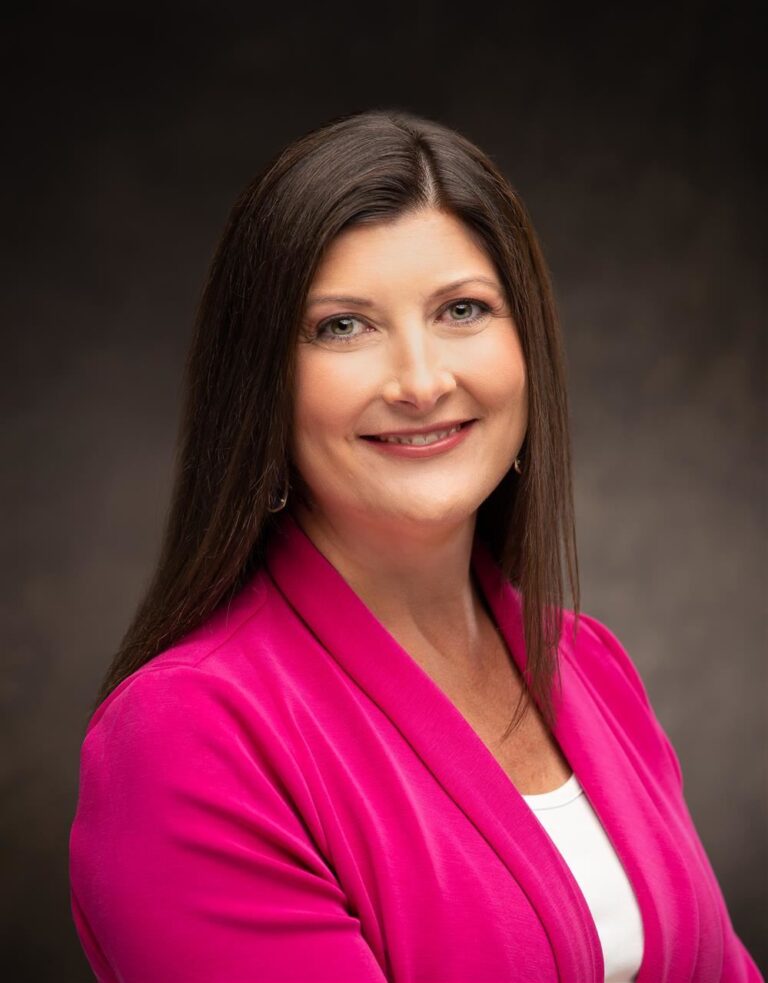
Superintendent Erika Bare believes educators can improve achievement, behavior and other components of student success if they learn to communicate with students more honestly and authentically.
Bare and co-author Tiffany Burns released Connecting Through Conversation: A Playbook for Talking with Students in 2023, and educators have been galvanized by the duo’s guidance on building connections with kids, says Bare, who leads Oregon’s South Umpqua School District.
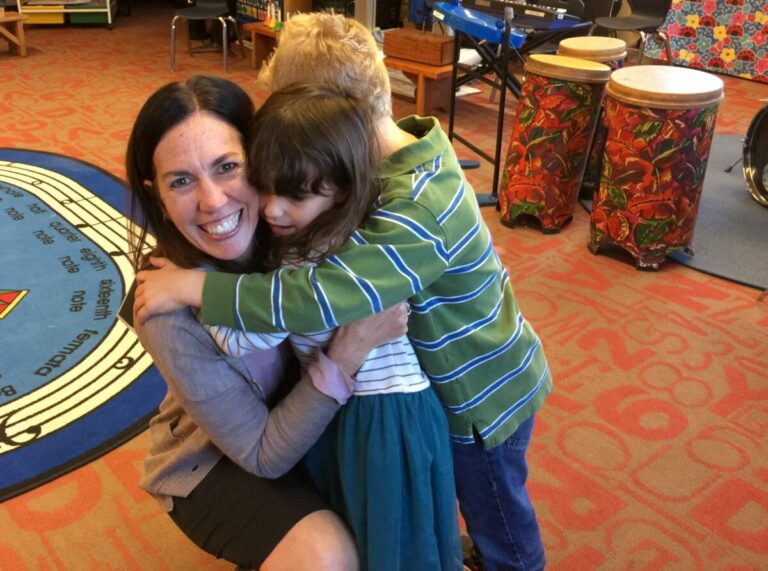
“You have to know who [students] are individually,” Bare explains. “You have to do everything you can to build a relationship with them that is based on how much you care about them. If kids know how much you care about them, then they’re willing to do almost anything for you.”
Educators and parents must avoid the easy trap of getting into power struggles with students and focus on conversational moves that help young people make better choices about their behavior when they’re struggling, she notes.
“Our educators are so busy, and they’re asked to do so much, and burnout is a real thing that we see everywhere across education,” Bare continues. “The solution to that isn’t an extra massage or a personal day, it’s about having collective efficacy around how to respond in a way that feels like I know what I’m doing.”
Bringing the world to the classroom
Bare and her educators’ top priority is to broaden the world for the 1,400 students in the rural, high-poverty district. Teachers use virtual field trips and other platforms to connect students to professionals, museums, higher education and other experiences.
“We’re really focused on raising achievement, raising what our students see as possible for themselves, and then hoping that they will reinvest and stay in our beautiful community in southern Oregon,” Bare points out.
Bare has also examined how AI and other technologies reduce the administrative load on educators and help teachers differentiate instruction to support all students.
“We have 25 students in a classroom, each one of them with a really unique set of needs,” she says. “We’re not outsourcing teaching at all, but we can outsource some tasks to technology so teachers can focus on what matters—building those connections and focusing on the individual needs of the students.”
Bare has led South Umpqua for a year and a half and has set the district “on a very specific path” to staff classrooms with high-quality educators, building strong community connections and maintaining modern, safe facilities. Third-grade reading achievement has increased by 12% and 23% over the last two years. Attendance and math scores are also improving.
How to be caring and brave
Bare and Burns have a new book coming out in April that covers how administrators can have challenging conversations with other adults at schools. It focuses on grounding those discussions in the care leaders must have for their communities, in and outside schools.
“We have to be brave enough to step into some of these conversations that might feel really uncomfortable,” she notes. “And then have the tools to do it in a way that can strengthen relationships instead of break them.”
Like their first book, she describes the new publication as a “playbook” that includes scripts and scenarios that administrators can use to guide these conversations. The new book also aims to help administrators make teacher observations more productive and informative.
“It’s something that administrators have to spend a lot of time on,” she observes. “And yet, I would say 90% of folks, if you ask them how meaningful that work is, they’ll say it isn’t. It’s like a checkbox. It’s a thing they have to get done.”