
How to avoid toxic sacrifice with the Plimsoll line of leadership
This is the time of year when the work accelerates for education leaders—especially superintendents.
Year-end events stack up quickly. Budgets tighten. Hard decisions that have been looming all spring finally demand resolution.
We are closing one school year while simultaneously trying to set the tone for the next. The pace is relentless, and the stakes feel personal—because they are.
Sacrifice is a real part of this job. It always has been.
There are seasons when the work requires long hours, emotional availability and a level of presence that spills beyond the edges of a normal workday. Anyone who suggests otherwise is either new to the role or being disingenuous.
But over time, I have come to believe there is a difference between necessary sacrifice and toxic sacrifice.
Toxic sacrifice is not about working hard or caring deeply. It emerges when sacrifice stops being a conscious choice and becomes an unexamined expectation; when we quietly accept that our health, our relationships or our sense of self are simply the cost of doing meaningful work—not for a season, but as a standing condition.
Getting overloaded
Early in my superintendency, I did not recognize when I crossed that line. I told myself I was doing it for children, for the community, for the work. Only later did I realize that my family was getting what was left of me, not the best of me.
At the time, I could not see it clearly, and I am not sure I would have believed anyone who tried to tell me. That is why I find myself returning to the image of the Plimsoll line.
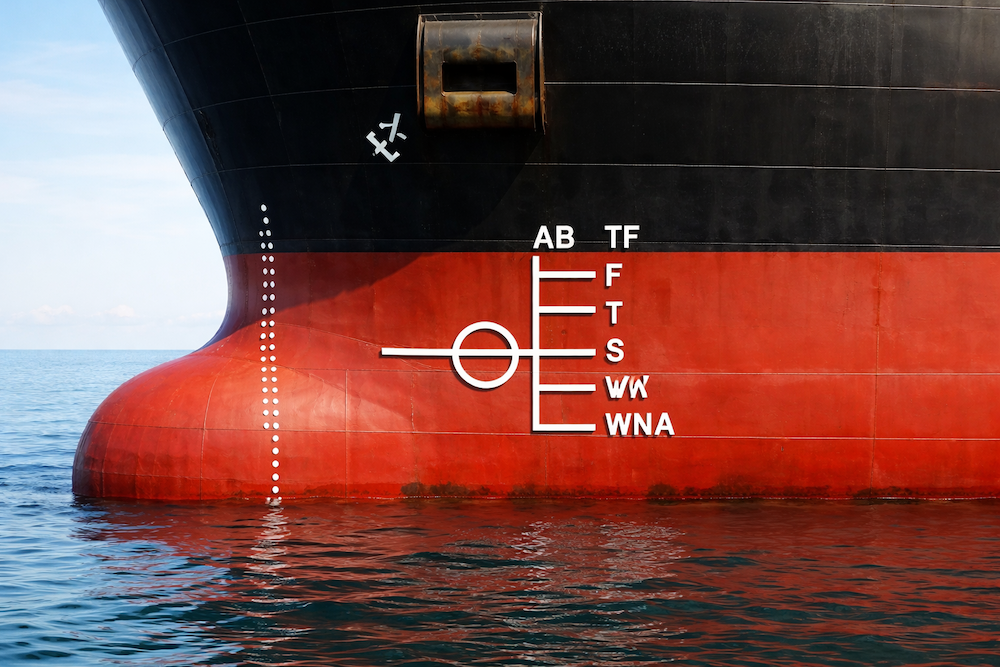
The Plimsoll line is a marking on the outside of a ship’s hull. It indicates the maximum cargo the ship can safely carry under various conditions. The purpose is simple: to prevent ships from being overloaded and sinking.
What is striking is that the crew on board cannot easily see the Plimsoll line themselves. It is visible from the shore. From a distance. From a perspective.
Leadership overload works much the same way. When we are in the middle of it, everything feels urgent. Every decision feels consequential. Every additional responsibility seems justifiable.
The danger is not that we choose sacrifice but that we slowly lose the ability to recognize when we are carrying too much. Many of us also live, at least in part, inside a hurricane of our own making.
We are rewarded for responsiveness. We are validated by being needed. Crisis can become a source of identity.
Over time, we can unconsciously create conditions that require our constant presence and then step directly into them. The chaos feels externally imposed, but often it is internally sustained. This is where language matters.
Signals from shore
For years, I searched for “balance.” Balance implies equal weight, steady equilibrium and symmetry. That does not exist in a role like this. A wiser framing, shared with me years ago by a trusted colleague, is harmony. (Thank you, Greg.)
Harmony recognizes seasons. It allows for intensity without permanence. It acknowledges that some periods demand more from us, but not everything, all the time.
Harmony requires intentional integration rather than constant tradeoff. So how do leaders know when sacrifice is turning toxic? Not through a checklist, but through guideposts, signals from the shoreline.
Some questions worth sitting with:
- Who consistently receives the most exhausted version of me?
- Have I stopped noticing my own warning signs?
- Would I encourage a colleague I respect to work the way I am working?
- Who has permission to tell me when I am overloaded…and would I listen?
The most important insight of the Plimsoll line is not that ships should never be heavily loaded. It is that there is a line, and it exists whether or not we acknowledge it. Recognizing the line is not weakness. It is leadership maturity.
This role will always require sacrifice. But when sacrifice becomes unexamined, performative, or identity-defining, it stops serving students and starts quietly eroding the very leaders systems depend on.
Sometimes, the most responsible thing a leader can do is ask someone on the shore what they see.