
‘If you’re not growing, your district isn’t either’

A district’s success relies on its leader’s ability to embrace self-growth—because there is always room for growth, argues District Administration’s 2026 Superintendent of the Year.
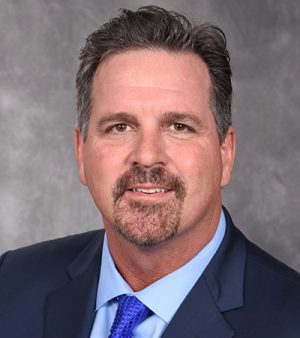
That includes attending conferences like The Future of Education Technology Conference, says Dr. Jeff Horton, superintendent of Minnesota’s Southwest Metro Intermediate School District 288. The self-described “10-point extrovert” sees conferences like these as essential hubs for professional growth.
“It’s so easy to meet and find people here,” he says. “It’s really exciting. You sit down at a table, and people start talking to you. They want to hear your story and the things that you’re working on.”
These collaborative spaces are where the “dreaming” phase of education begins, as leaders and edtech vendors nationwide come together to imagine what the future of learning looks like.
“If you’re not growing as a leader, your organization’s not growing,” he explains, urging leaders seek research and peer networking opportunities.
A time of reflection
Being named DA’s 2026 Superintendent of the Year reflects his community, Horton insists. He expressed a desire to slice his award into a thousand pieces to share with the staff, families and external partners who contribute to the district’s ongoing success.
For instance, in just eight months, Horton’s district increased community engagement by 3,700% and reduced administrative work by nearly 500% through an AI-powered survey and engagement platform, he said, speaking to attendees at FETC 2026.
“I’m lucky that I’m able to be the superintendent and serve,” he says. Horton describes his leadership philosophy as a community-first model, where he creates opportunities for his diverse district to help stakeholders recognize their “best self.”
“We have urban, we have suburban, we have rural,” he says. “Each of those elements in education offers great things. How can we tie them all together and focus on innovation and challenge the status quo?”
Innovation in K12 schools is a slow and steady process, he says, adding that leaders must be comfortable with discomfort to achieve their bold goals.
Looking ahead to the rest of the year, Horton is shifting from intense community listening to rigorous implementation—similar to a football team taking skills developed in strength training and conditioning to compete in the playoffs.
“You have to do the work right and practice. You have to condition and strength train. You have to do all those things to put yourself in a position for success, and I think that’s a lot of what we’re doing right now.”
Advice for new leaders
The superintendency is getting younger, the data suggests. Horton’s challenging advice is for new leaders to seek jobs in vulnerable districts, because that’s where they will grow the most.
“It’s not for everybody, but my dream district is one that needs the most amount of help,” he says. “Find me the district that needs the most support. Put me in, and give me a chance to give it everything I’ve got.”