

Moral imperative in district improvement: bridging gaps now
As the landscape of education continues to evolve amid social change and technological advancement, district leaders find themselves at a pivotal crossroads.
The challenges of the past few years, including a global pandemic, heightened awareness of social injustices, and increasing educational disparities, have laid bare the inequities that persist within our school systems.
Now more than ever, superintendents, technology directors, curriculum developers and operations managers must unite under a common moral imperative: to ensure that every student has access to quality education.
Why now? Urgency of justice in education
The call for fairness in education is not new, but the urgency has never been greater. The COVID-19 pandemic exposed and exacerbated existing disparities, disproportionately affecting marginalized students.
Remote learning highlighted the digital divide, with technology access becoming a basic necessity rather than a luxury. Social movements have amplified voices demanding justice and inclusivity, pushing educational institutions to genuinely reflect these values.
For district leaders, this is not just a societal issue, it is a mandate for systemic change. The moral imperative transcends individual schools and requires a districtwide commitment to dismantle barriers that hinder student success. Ignoring these challenges is no longer an option. The time to act is now.
From school improvement to district transformation
Improving a single school is commendable but without districtwide strategies, efforts may be fragmented and short lived.
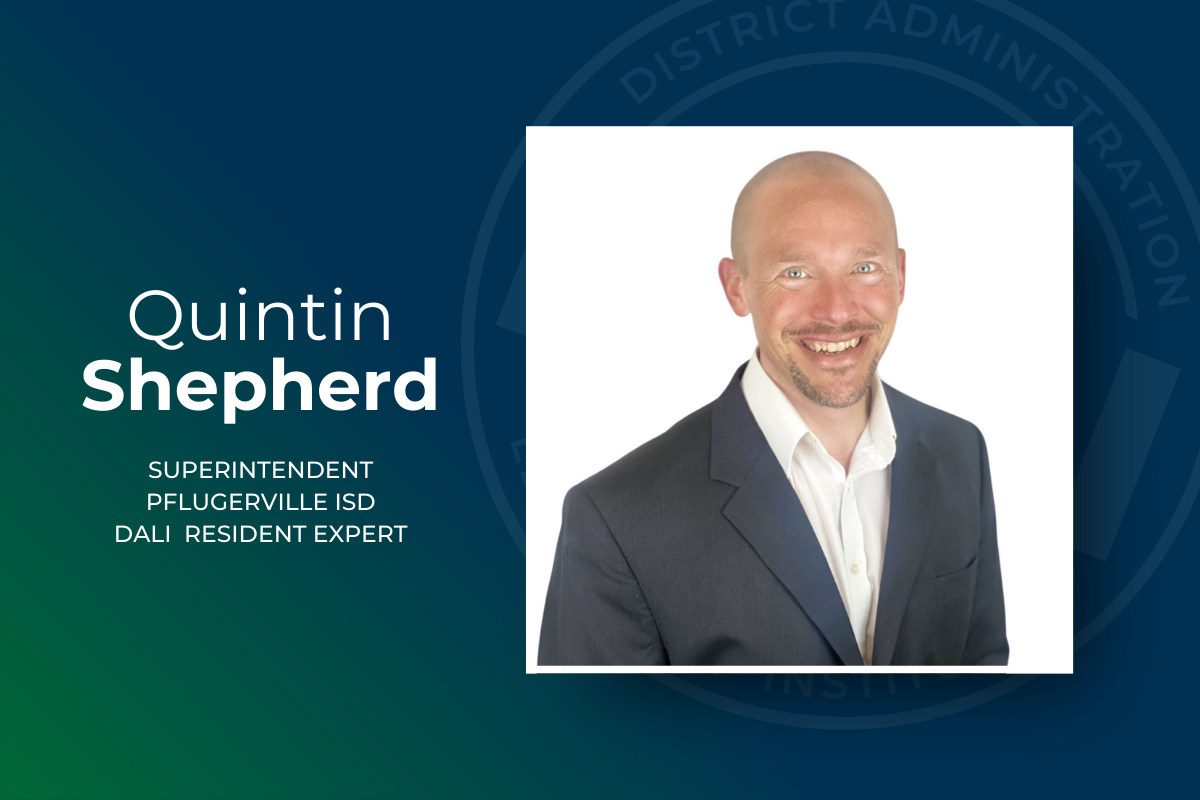
District improvement serves as the backbone for sustainable change, providing the policies, resources and support systems necessary for schools to thrive. I have written extensively about this in my book, Transforming Education: Building Sustainable Systems, emphasizing the importance of holistic district transformation.
Central to district transformation is the alignment of vision and practice across all levels of the educational system. This means establishing clear, shared goals that resonate with educators, students and the community. When every stakeholder understands and commits to a common purpose, efforts become cohesive and more impactful.
Another fundamental principle is fostering a culture of innovation and continuous improvement. Districts must encourage risk-taking and creative problem-solving, allowing educators to develop and implement strategies that meet the unique needs of their students. This involves not only adopting new technologies and teaching methods but also being willing to reevaluate and modify existing practices that no longer serve the district’s goals.
Collaboration is also essential. Breaking down silos between departments—whether it’s curriculum, technology or operations—ensures that initiatives are integrated and mutually supportive. By working together, leaders can create more comprehensive solutions that address multiple facets of student well-being and academic success.
Furthermore, effective district transformation requires investing in professional development. Educators and staff need ongoing training to stay abreast of best practices in pedagogy, technology integration and cultural competency. Empowering staff with the necessary skills and knowledge equips them to better serve their students and contribute to the district’s overarching objectives.
Districts can establish fair policies that set expectations for all schools, ensuring consistency in addressing issues like disciplinary actions, special education services and resource allocation. By overseeing budgets and funding, districts can prioritize resources for schools and students who need them most, addressing disparities in technology, facilities and academic support. They can offer professional development that helps educators recognize and overcome biases, implement inclusive curricula, and adopt appropriate and responsive teaching practices.
Moral imperative in practice
What does this moral imperative look like in action? Superintendents must lead with vision and courage, setting fairness and justice as a nonnegotiable priority. This involves transparent communication, community engagement and holding all stakeholders accountable.
Technology leaders play a crucial role in bridging the digital divide. They must ensure that all students have access to devices and the internet while promoting digital literacy programs that empower learners.
Curriculum leaders need to critically evaluate educational materials to ensure they are inclusive and representative of diverse perspectives. This might mean overhauling curricula to include voices that have been historically marginalized.
Operations managers must consider how transportation, nutrition and facilities impact student learning. Access to these services can significantly affect attendance and engagement.
Self-reflection: Are we reaching every student?
As leaders, it is time to ask tough questions. Have we created systems that unintentionally exclude certain students? Are we listening to the voices of those who often go unheard, such as students, families and communities that challenge our current practices?
What sacrifices are we willing to make to transform our districts into spaces where every student feels valued and capable of success?
Improvement demands that we examine our biases, assumptions and fears. It requires a willingness to shift mindsets and embrace discomfort for the greater good.
Reflect on the students who have been underserved in your district. In what ways have the systems failed them? More importantly, how can you, as a leader, initiate change? Success should not be measured solely by academic achievement but also by how well we cultivate resilience, empathy, and a sense of belonging in every student. This holistic approach prepares students not just for tests but for life.
The moral imperative in education is clear: district leaders must act decisively to create just and inclusive environments where all students can thrive. This is not a comfortable journey, nor is it convenient. But it is necessary. By committing to systemic change, listening to marginalized voices, and holding ourselves accountable, we can transform our districts and ultimately our society for the better.
The question is not whether we can afford to make these changes.
The question is whether we can afford not to.